THE RETURN OF THE NAGASAKI MARBLE
Dr. Jonathan Down, IPPNWC
A personal treasure, found in the rubble of Nagasaki, is returned to its rightful homeland.
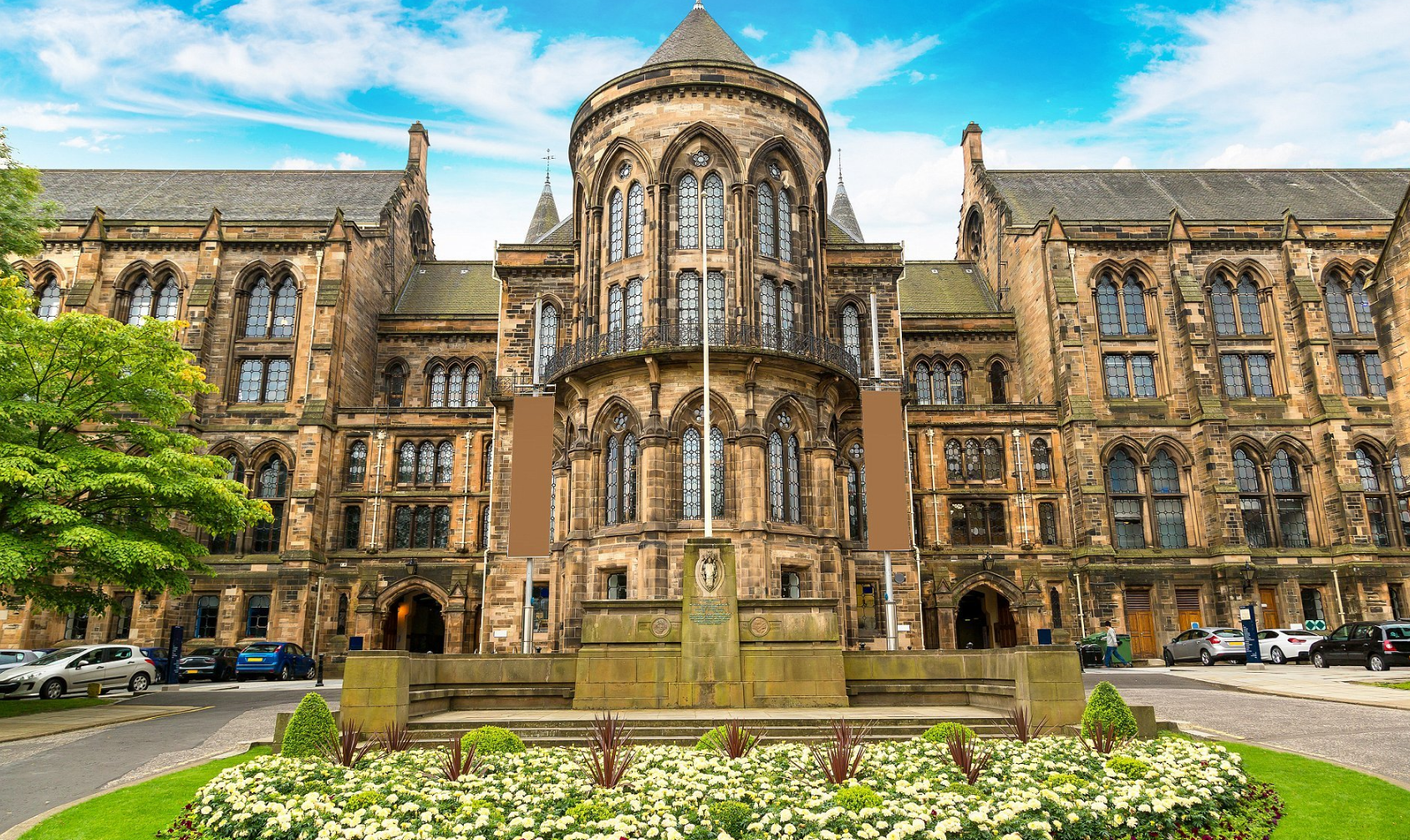
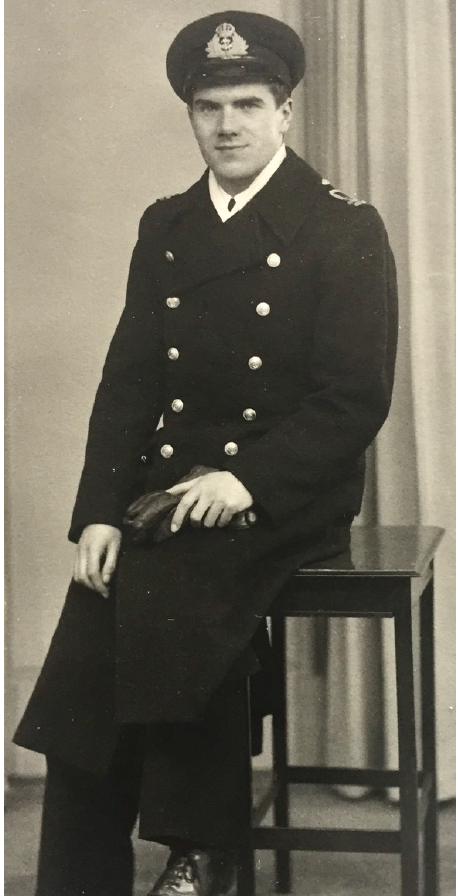
Robert Deans was born in Alloa, Scotland on 22 March 1921. He entered University of Glasgow Medical School at the beginning of World War II and became a doctor on 11 July 1944.
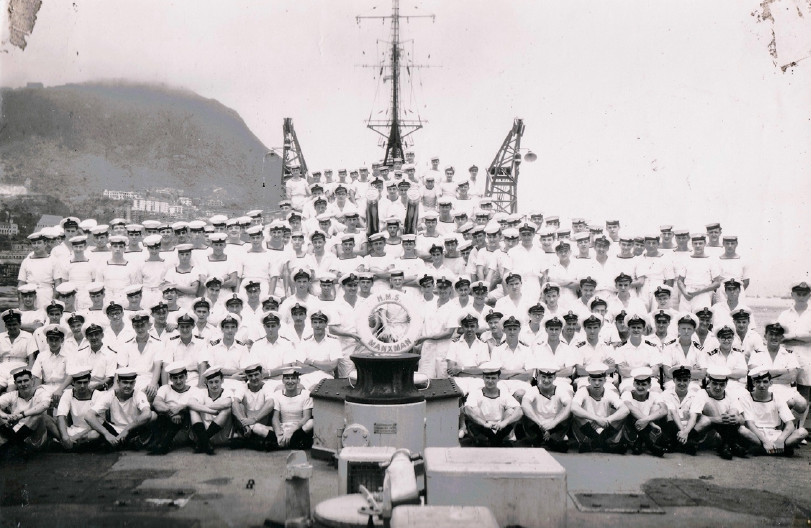
He enlisted in the Royal Naval Volunteer Reserve in March 1945 and was appointed Lieutenant Surgeon on HMS Manxman in April 1945.
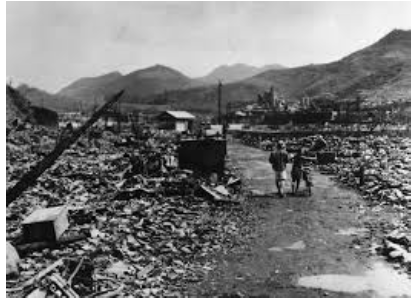
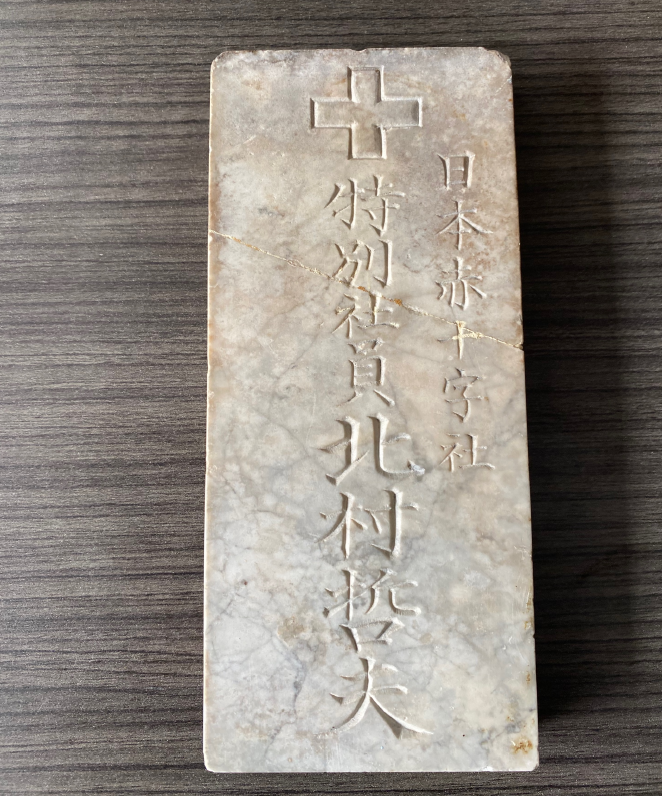
It was during a shore visit, while walking through the rubble of Nagasaki, that Robert noticed a perfect piece of stone laying on the ground. It appealed to him as it was clean and intact unlike the surrounding destruction that he witnessed in most of the city. The stone was engraved with an image of a cross and a Japanese written inscription.
He placed it in his pocket. The stone, which was made of marble, became a personal treasure.
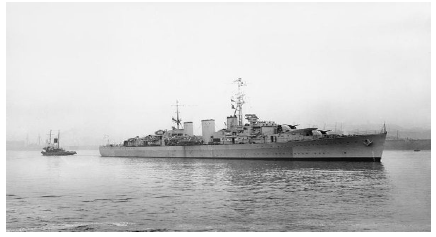
The Manxman was a minelayer and had a reputation for being the fastest ship in the Royal Navy. The Manxman was deployed to the British Pacific Fleet and was in Melbourne, Australia, on 15 August 1945 when Emperor Hirohito announced Japan's surrender. According to Robert Dean's records, the Manxman arrived in Yokohama on September 17 1945, as part of a mission to transport personnel and supplies within the area. HMS Manxman traveled to Japan several times.

After the war, Robert married and the family immigrated to Canada where Robert became a family doctor in Devon, Alberta. The stone was often shown to his daughter Julie, who valued it immensely because of its special significance to her father.
The story of the “Nagasaki marble”, as it was then known, was shared by Julie with Dr. Mary-Wynne Ashford during choir practice. Mary-Wynne suggested that I meet with Julie, who kindly handed over the "marble" for its rightful return to Japan.
The stone was likely to have been part of the home of Tetsuo Kitamura, a special representative of the Japanese Red Cross Society. So far, no information about Tetsuo has been found.
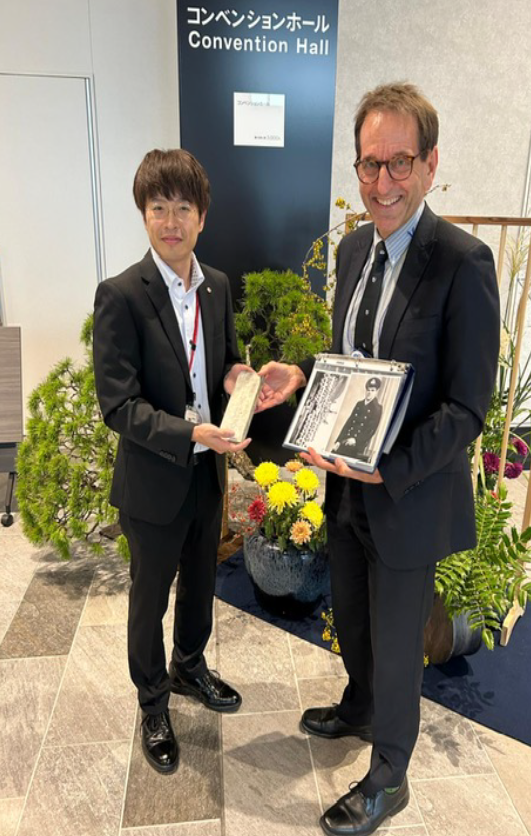
As a representative of the International Physicians for the Prevention of Nuclear War Canada (IPPNWC), I was honoured to return this stone to Mr. Tomoya Yamaguchi at the 24th IPPNW World Congress in Nagasaki on October 3, 2025.
Mr. Tamaguchi, representing the Japanese Red Cross Society (JRCS), expressed his sincere thanks for the return of the stone, and mentioned that both of his grandparents were Hibakusha.